

Taste of Simplicity: Discover Ichiju-Issai & Traditional Japanese Home Cooking
Posted by Yoshi Kai on 15th Jun 2021
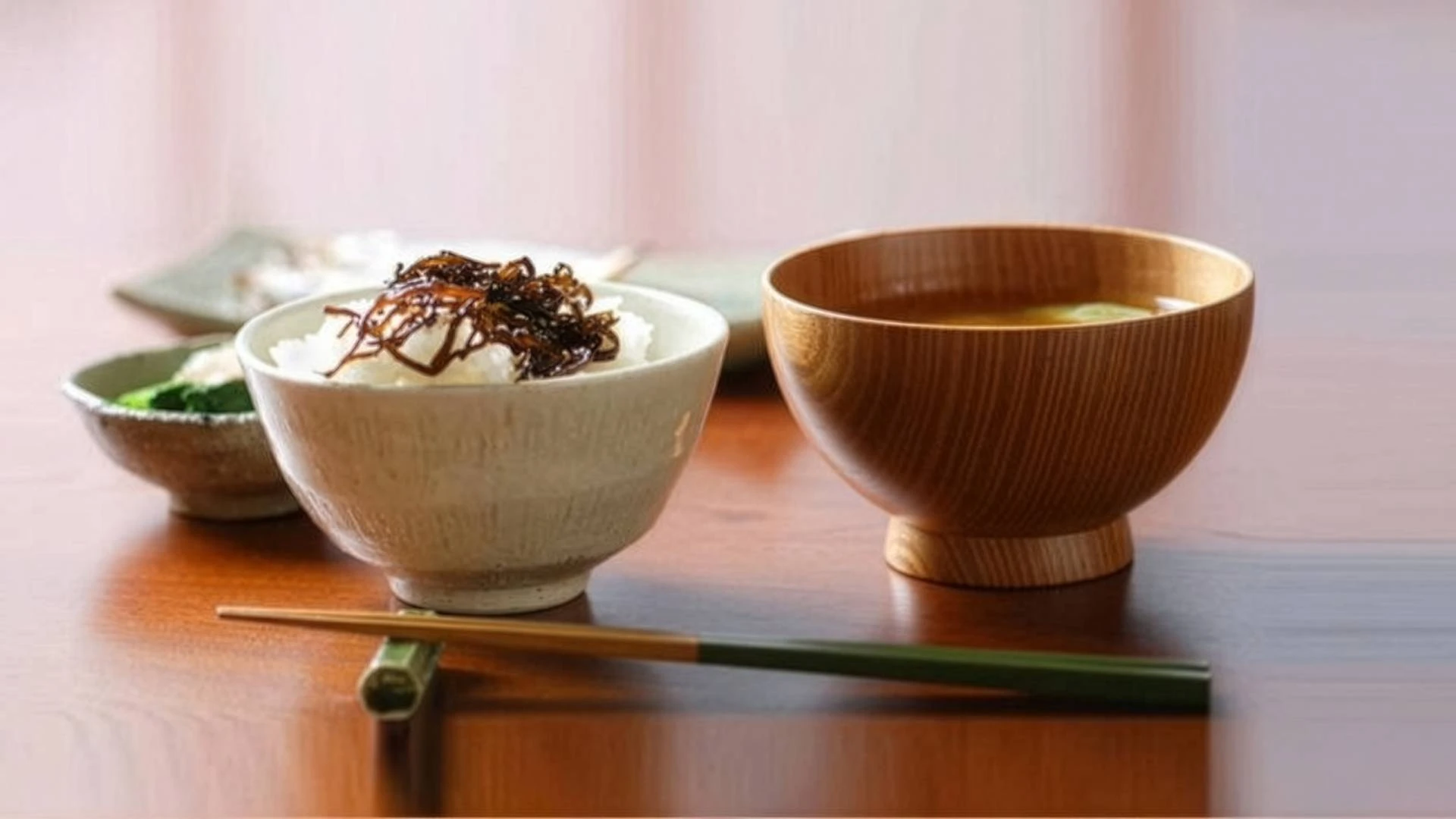
One of the foundations of traditional Japanese home cooking is a style called Ichiju-Issai (meaning “one soup, one dish”), a simple meal composed of one bowl of soup and one side dish.
The tradition traces its history to the Zen temples of the 12th-century Kamakura period, developed to emphasize frugality and simplicity. In time, it spread to the general public and eventually became established as a traditional Japanese daily dietary style.
An Ichiju-Issai is a simple meal, for sure. But that's not where it stops. It's also healthy and delicious. So, whether you are counting calories, simply enjoy Japanese food, or like quick, satisfying meals, I want to encourage you to give it a try. You will not be disappointed!
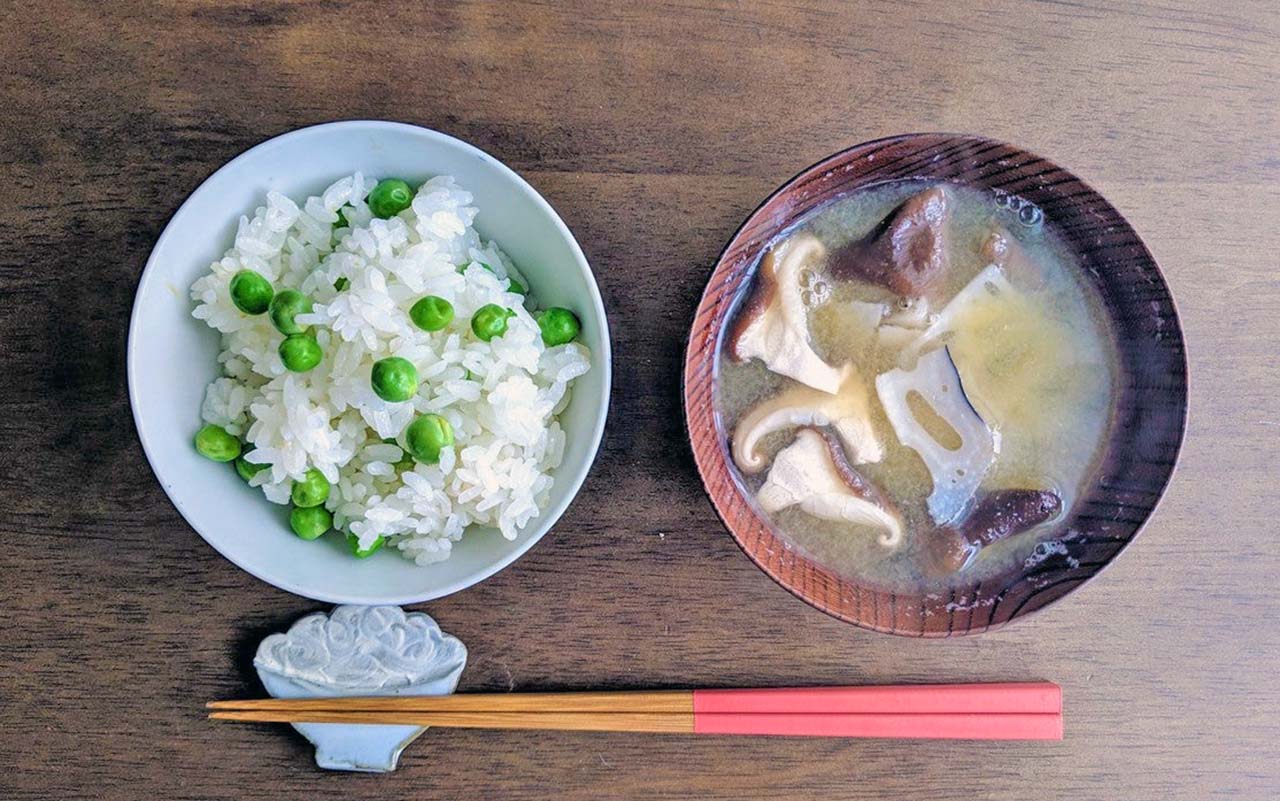
Here are a few examples of Ichiju-Issai meals you may like:
Green peas rice and miso soup with lotus root and shiitake mushroom
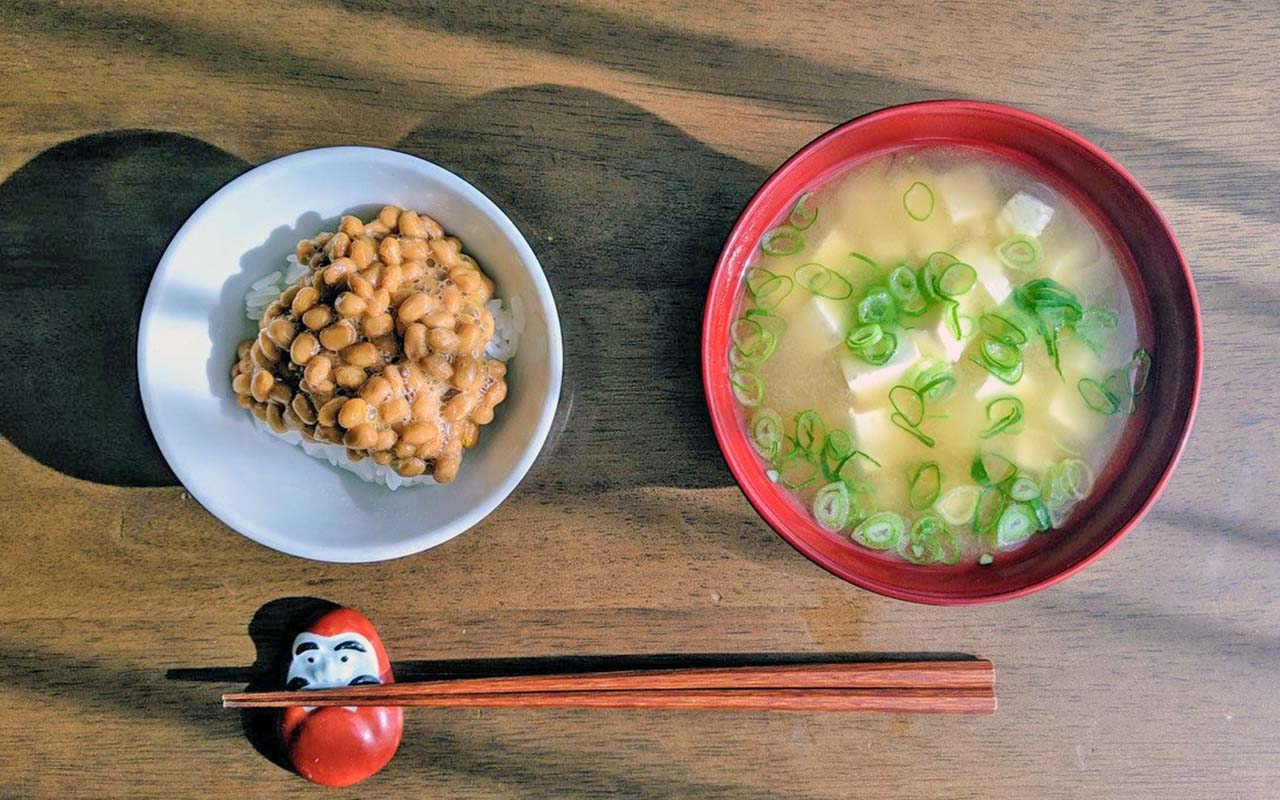
Natto (fermented soybeans) rice with tofu miso soup
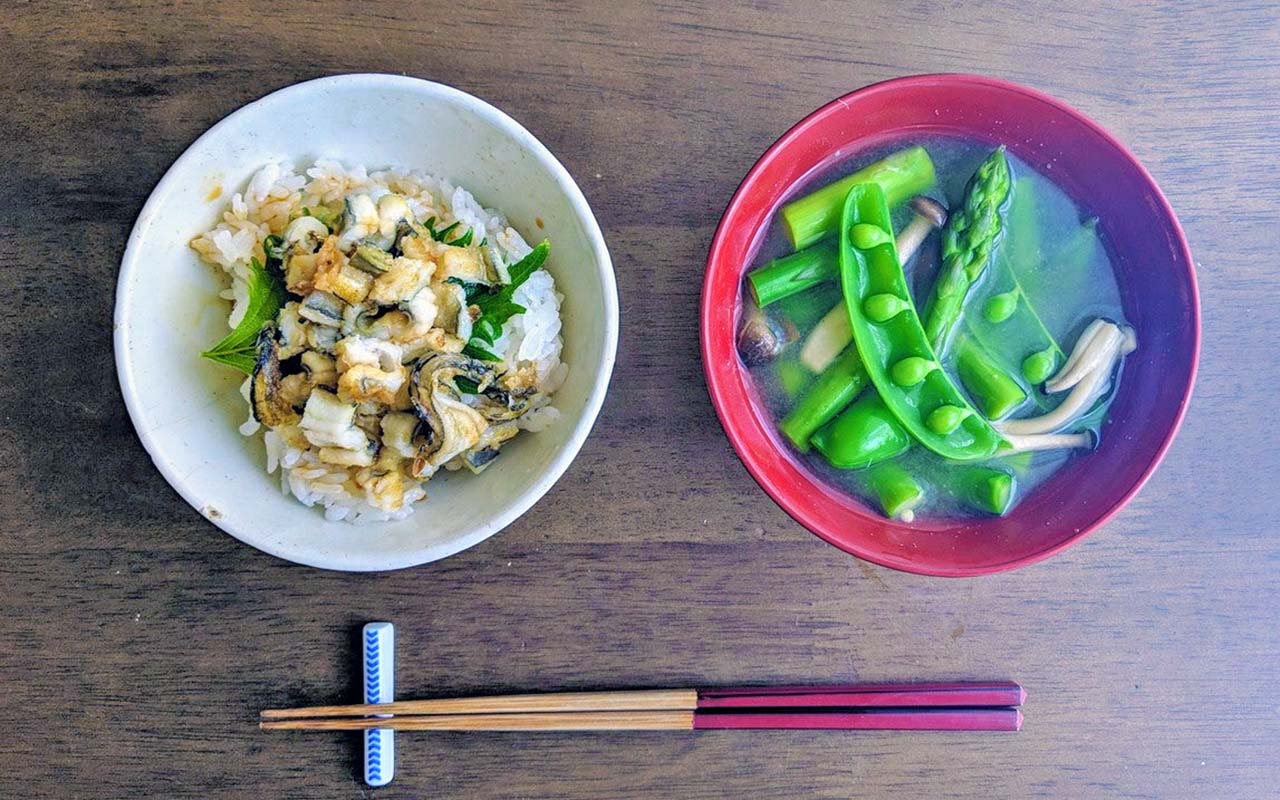
Grilled eel rice with snap peas, asparagus, and mushroom miso soup
Rice with roast pork and watercress and carrot potage

Try Ichiju-Issai at Home
The beauty of Ichiju-Issai is that it is not limited to Japanese cuisine. At its heart, it is simply a way of creating a balanced meal with one soup and one main dish, while avoiding unnecessary complexity.
You do not need Japanese ingredients to enjoy this approach. Feel free to start with one of the examples above, or create your own variation using foods familiar to you and your family.
For example, a Western-style Ichiju-Issai meal might consist of a bowl of vegetable soup paired with grilled chicken and rice, or a hearty lentil soup served alongside a simple salad. The specific ingredients matter less than the principle: keeping the meal nourishing, satisfying, and uncomplicated.
In a world where meals are often rushed or overloaded with choices, Ichiju-Issai offers a refreshing reminder that simple food can be both delicious and deeply satisfying.
When to Stop Eating
The old Japanese saying Hara Hachi Bu (腹八分) means "stop eating when you are eight-tenths full." It can take around 20 minutes for the brain to fully register signals from the stomach. Try stopping when you feel almost full. You may find that within 20 to 30 minutes you feel completely satisfied.
Can Chopsticks Lead to Healthy Eating?
The short answer is: probably yes.
Compared to forks and spoons, chopsticks generally encourage smaller bites. Smaller bites can lead to more careful chewing and a slower, more mindful eating pace.
You cannot easily shovel food with chopsticks. Using them slows the eating process, giving the brain more time to register fullness and helping prevent overeating.
Bon appétit—or, as the Japanese say before a meal, Itadakimasu!