
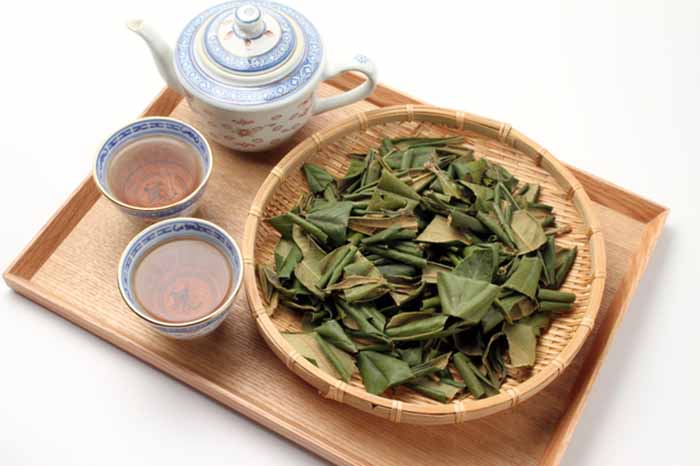
Suppose you are looking for a mild, easy-to-make herbal tea that can boost immunity, heal skin irritations, control blood sugar, and improve general health. In that case, you are in the right place.
Loquat leaves tea (Biwa Cha) is a traditional Japanese herbal tea made from leaves of the evergreen loquat tree, also known as Japanese Medlar or Japanese plum (Eriobotrya japonica).
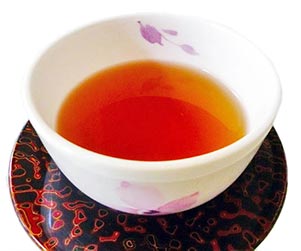
It is a pleasant beverage with earthy notes, a hint of sweetness, and a light reddish-brown color.
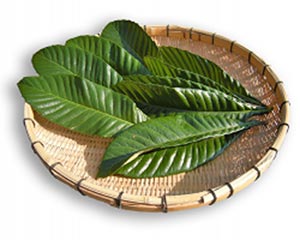
How to Make Loquat Leaves Tea
The following instructions are for making 4 cups (200 ml each).
- Add 2 tablespoons (5 grams) of dried loquat leaves to a pot.
- Add 4 cups of near-boiling water.
- Brew for about 3 minutes.
- Strain and serve hot or cold.
Alternative Japanese "Senjiru" Brew Method
Senjiru (煎じる, to infuse) is a time-tested Japanese brew method to extract the beneficial compounds locked deep in loquat leaves and to bring out its pleasantly earthy flavor.
The following instructions are for brewing 4 cups of loquat leaves tea the Japanese traditional way.
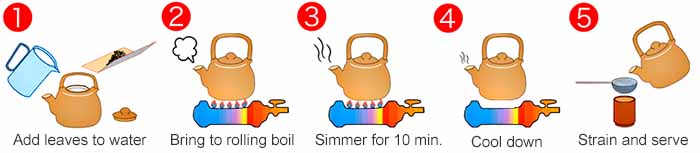
- Add 2 heaping tablespoons of loquat leaves to 4 cups of cold water.
- Heat to a full, rolling boil.
- Turn heat down and let simmer for 15 minutes.
- Turn heat off and cool down for 10 minutes.
- Strain and serve.
To get the best out of your loquat leaves, use good quality (but not distilled) water. If using tap water, let it run cold for at least 10 seconds before using.
Loquat leaves have a long history of use in traditional Japanese herbal practice, particularly for supporting respiratory health.
Benefits
Modern research has identified antioxidants and polyphenols in loquat leaves and has examined their potential effects on blood lipids, blood sugar levels, and inflammatory skin conditions such as atopic dermatitis (eczema).
Loquat leaf is also included in the Japanese Pharmacopoeia (Nippon Yakkyoku-hō), Japan's official standard for medicinal substances, published by the Government of Japan since 1886.
Japanese Loquat Leaves Tea
Traditionally prepared Biwa Cha, made from Japanese loquat leaves.
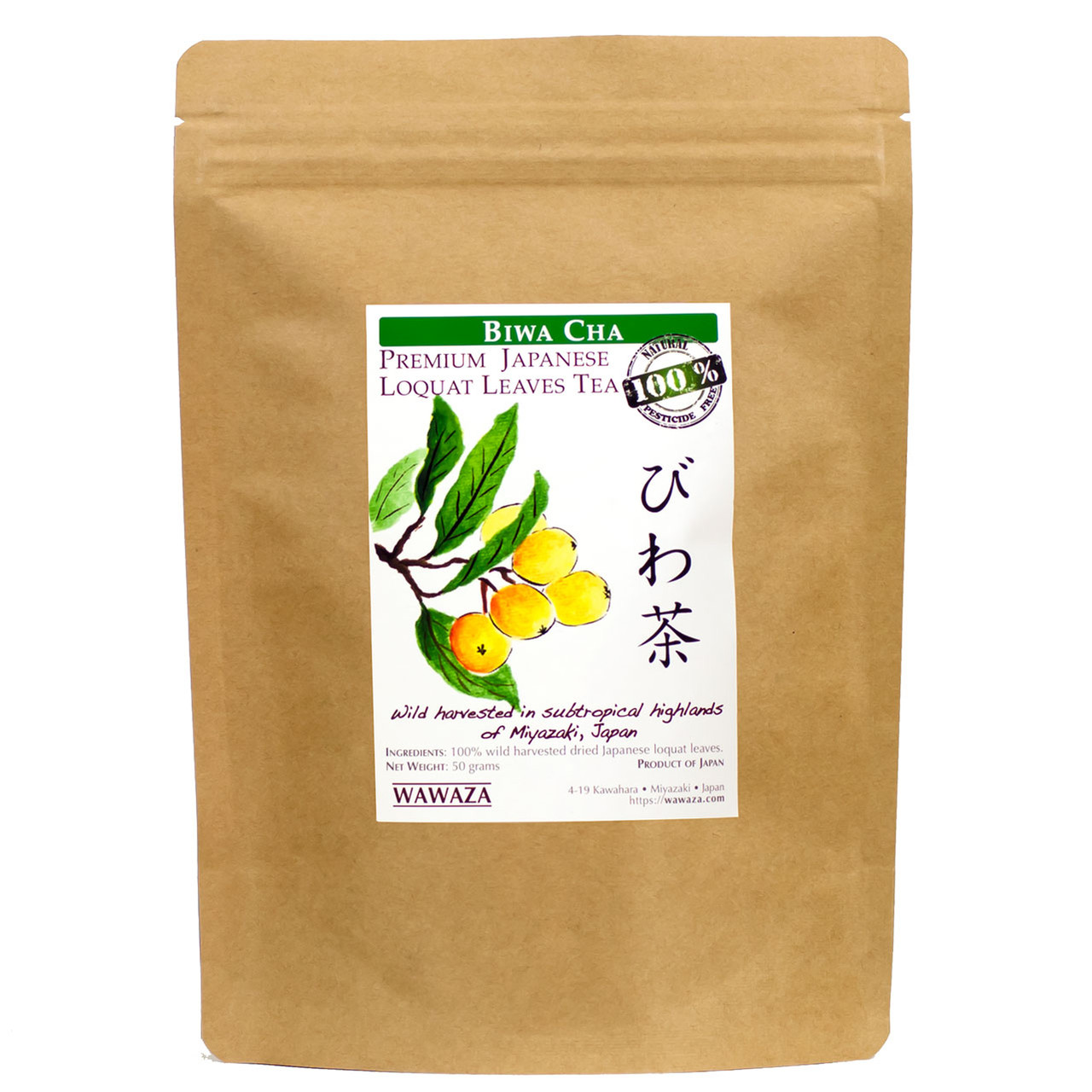 View Loquat Leaves Tea
 References
Japanese Pharmacopoeia
17th Edition. Japan Pharmaceuticals and Medical Devices Agency.
Anti-inflammatory and Antitumor-Promoting Effects of the Triterpene Acids from the Leaves of Eriobotrya japonica
Biological & Pharmaceutical Bulletin. 2005;28(10):1995-1999.
Antitumor activity of compounds isolated from leaves of Eriobotrya japonica
Journal of Agricultural and Food Chemistry. 2002;50(8):2400-2403.
Studies on constituents of triterpene acids from Eriobotrya japonica and their anti-inflammatory and antitussive effects
Journal of Chinese Pharmaceutical Sciences. 2003;38(10):752-757.
The antitussive, expectorant and anti-asthmatic activities of triterpene acids of loquat leaves in mice and guinea pigs
Acta Universitatis Medicinalis Anhui. 2006.
Hypoglycemic effects of sesquiterpene glycosides and polyhydroxylated triterpenoids of Eriobotrya japonica
Planta Medica. 1991;57(5):414-416.
Tormentic Acid, a Major Component of Suspension Cells of Eriobotrya japonica, Suppresses High-Fat Diet-Induced Diabetes and Hyperlipidemia
Journal of Agricultural and Food Chemistry. 2014;62(44):10717-10726.