

Coming of Age Day: A Japanese Rite of Passage
Posted by Yoshi Kai on 11th Jan 2026
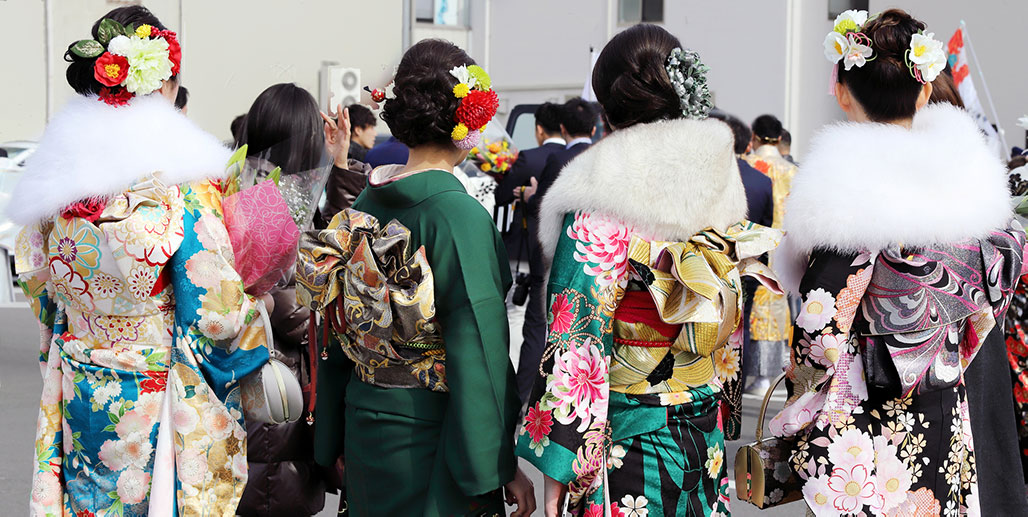
Coming of Age Day (Seijin no Hi) is a national holiday in Japan that marks the transition into adulthood. Held each January, it is a day when local communities formally recognize young people who have reached this milestone, encouraging them to step into adult life with responsibility and confidence.
The Ceremony
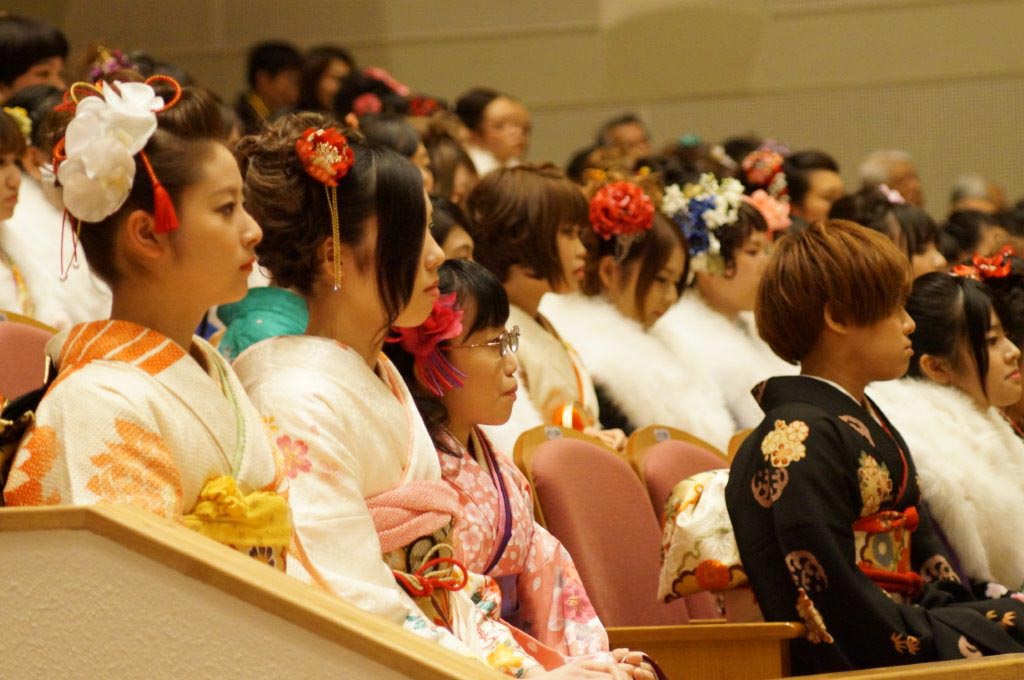
Across Japan, cities and towns hold official ceremonies at local city halls, where new adults gather with family and friends to mark the occasion. After the formal proceedings, many visit nearby shrines before continuing the day with celebrations at home or at restaurants.
Most ceremonies are held in the morning and organized by local municipalities, with attendance based on a person’s registered address. While the format is formal, the atmosphere is celebratory, marking a shared milestone within the community.
Although the legal age of adulthood in Japan was lowered to 18 in 2022, many municipalities continue to hold Coming of Age ceremonies for those turning 20, reflecting long-standing social custom.
Kimonos, Formal Attire, and Traditions
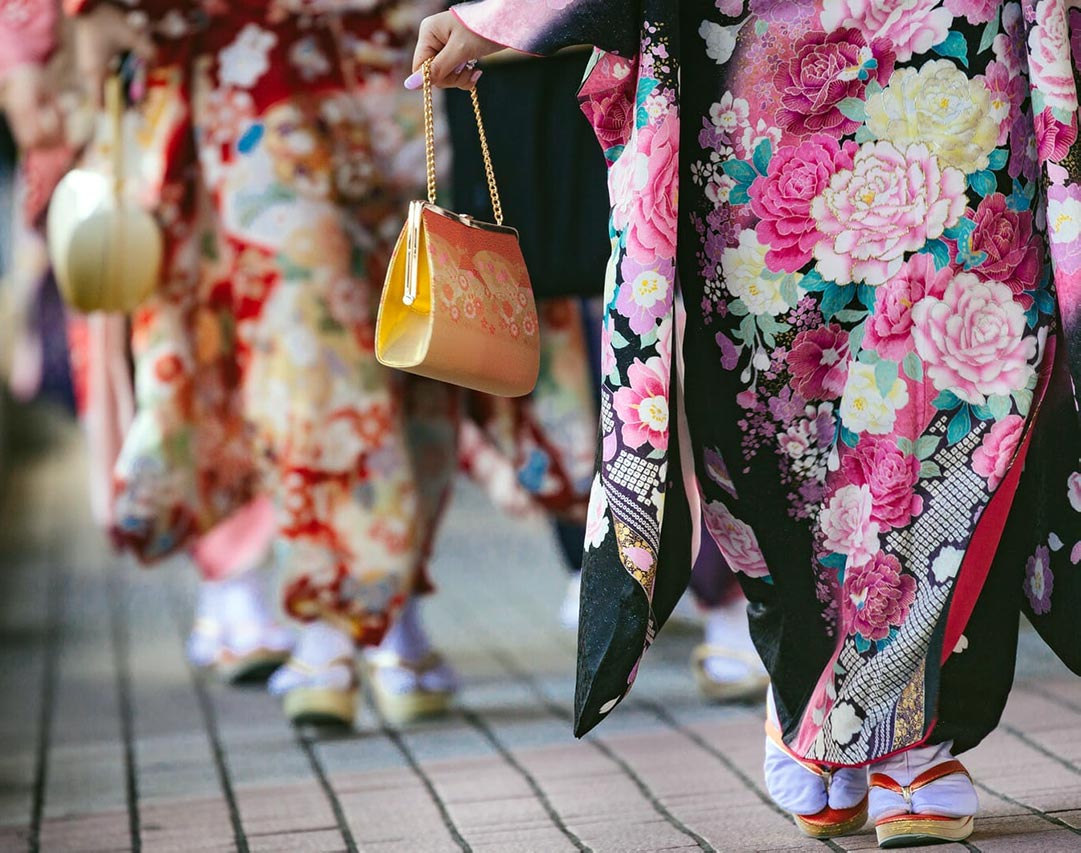
Many young women wear furisode, a formal long-sleeved kimono traditionally worn by unmarried women on special occasions. The vivid colors and seasonal motifs are paired with carefully arranged hairstyles and floral hair ornaments. Formal zori sandals are worn with ankle-high tabi socks, distinguished by their split-toe design.
Young men traditionally wear either formal suits or hakama, a type of pleated trousers worn with a kimono for ceremonial occasions. In recent years, attire has become more varied, with many choosing modern styles while still attending the same official ceremonies and family gatherings.
Furisode is considered the most formal kimono for unmarried women, recognizable by its long, flowing sleeves. Patterns often feature seasonal flowers and auspicious motifs, and the overall coordination, including the obi sash and accessories, is carefully chosen for the occasion.
History, Culture, and a Sense of Responsibility
The tradition of Coming of Age Day dates back to the eighth century, when similar ceremonies were held on the first full moon of the year, reflecting a long-standing cultural emphasis on marking life’s transitions within the community.
Beyond the ceremony itself, Coming of Age Day reflects a broader Japanese emphasis on mutual respect and social responsibility. It is a day that leaves a lasting sense of personal and social responsibility for those who take part.