
All teas, including green, black, and oolong, come from processing the leaves of Camellia sinensis, commonly known as the tea plant.
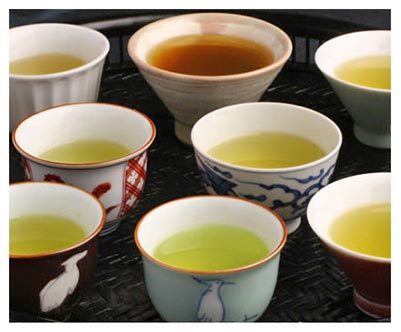
Green teas are made by steaming or roasting the fresh tea leaves, while other types of teas are made utilizing different degrees of fermentation.
Japanese green teas retain their fresh color, delicate flavor, and beneficial antioxidants precisely because they are processed quickly after harvest without undergoing the oxidizing effects of fermentation.
Each type of green tea has its own characteristics and flavor, but not all have a green color, though most do.
The word "green" denotes teas which are not fermented, including teas such as Hojicha, which has a reddish-brown color.
Green Tea and Health
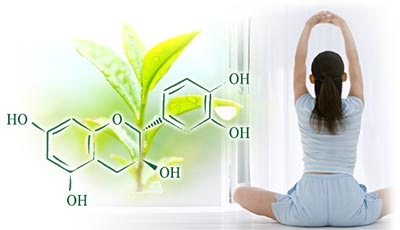 Green tea is naturally rich in antioxidants called catechins.
One of the most studied is EGCG, a catechin found naturally in green tea and associated with many of its potential health benefits.
Green tea contains far more catechins than black tea. After harvesting, the leaves are quickly heated to stop oxidation. Black tea leaves, by contrast, are fermented and allowed to oxidize during processing.
Research has explored the possible role of green tea catechins in supporting:
- Cardiovascular health
- Healthy cholesterol levels
- Protection against oxidative stress
- Improved immune function
- Skin health
What About Weight Loss?
The jury is still out. While many studies suggest that green tea may help with weight loss, others show no effect.
However, unsweetened green tea is a far healthier choice than sugary drinks and can indirectly support weight management by reducing sugar and calorie intake.
Green Tea Flavors and How to Brew
Sencha
 Sencha is by far the most popular tea in Japan. It has a well-balanced combination of umami and aroma, and goes well with light and medium meals, sweets, and snacks.
Brew in a teapot by adding simmering (not boiling) water. Use 1 teaspoon of sencha per cup of water. Overly hot water will result in bitterness. Boil the water first, and then cool by pouring it in separate cups before adding to the teapot.
Brew time: 1-2 minutes
Color: Light yellowish green
Flavor: Fresh vegetal, mildly sweet and aromatic
Konacha
 Konacha is an economical, delicious green tea. It is the typical tea served at sushi restaurants. Konacha is quick and easy to prepare and goes well with almost any meal.
Brew in a teapot by adding near-boiling water. Use 1 teaspoon of konacha per cup of water.
Brew time: 1 minute
Color: Yellowish green
Flavor: Light, refreshing aftertaste
Hojicha
 Hojicha is charcoal-roasted green tea. If you are not partial to the vegetal taste that most green teas have, this tea is for you.
Hojicha goes well with almost any meal. It is very low in caffeine, and a good choice even before going to bed at night.
Brew in a teapot by adding near-boiling water. Use 1 teaspoon of hojicha per cup of water.
Brew Time: 2 minutes
Color: Reddish brown
Flavor: Earthy, roasty, nutty
Genmaicha

Genmaicha is a fun symphony of roasted brown rice and the fresh, vegetal flavor of green tea. Because of its rice content, it is low in caffeine and suitable for all ages.
Brew in a teapot by adding near-boiling water. Use 1 teaspoon of green tea per cup of water.
Brew Time: 1-2 minutes
Color: Yellow green
Flavor: Fresh, roasted rice, popcorny
Bancha
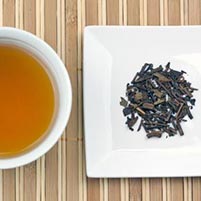 Bancha is economical, everyday green tea and a good choice as accompaniment for diets.
Also comes in an aged variety (san-nen-bancha). The aging process lowers tea's tannin and caffeine and increases its mineral and antioxidant content.
Brew in a teapot by adding near-boiling water. Use 1 teaspoon of green tea per cup of water.
Brew Time: 2 minutes
Color: Reddish brown
Flavor: Smooth, grassy, summer vegetal
Kamairicha
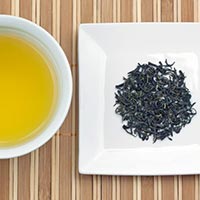 Kamairicha is a highly sophisticated, pan-roasted green tea, and an excellent choice for serving on special occasions.
Kamairi teas account for only about 2% of Japanese tea production, due to the high level of skill and care required in its production process.
Brew in a teapot by adding simmering (not boiling) water. Use 1 teaspoon of kamairicha per cup of water. Overly hot water will result in bitterness. Boil the water first, and then cool by pouring it in separate cups before adding to the teapot.
Brew Time: 1-2 minutes
Color: Yellowish green
Flavor: Medium-light, moderately sharp and distinct, slight roasty
Matcha
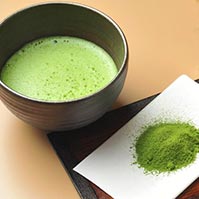 Matcha is fine-powdered green tea, commonly used in the Japanese tea ceremony.
Matcha's health benefits by far exceed those of any other type of green tea. When you drink matcha, you ingest the whole tea leaf in powder form, not just the brewed water.
Besides tea, matcha is in a variety of recipes including lattes, muffins, cookies, and ice creams. Japanese also mix it with coarse salt to make matcha zhio — a traditional garnish for your vegetables, seafood, and other dishes.
You need a whisk to make matcha. Dry your cup with a soft towel. Add one teaspoon of matcha to one cup of simmering water (overly hot water will result in bitterness.) Briskly whisk till it develops a soft foam. Serve.
Brew Time: Whisk to a froth
Color: Jade green
Flavor: Rich, savory